
What remarketing is and why it works
Remarketing (or retargeting) is the strategy of showing ads to people who already interacted with your business, visited the site, clicked an ad, or watched a video, but didn't take the action you wanted.
It works because the second exposure is always more effective than the first. Someone who already visited your site knows you exist and already had some interest. The cost to bring that visitor back is far lower than the cost to attract a brand-new one.
How it works technically
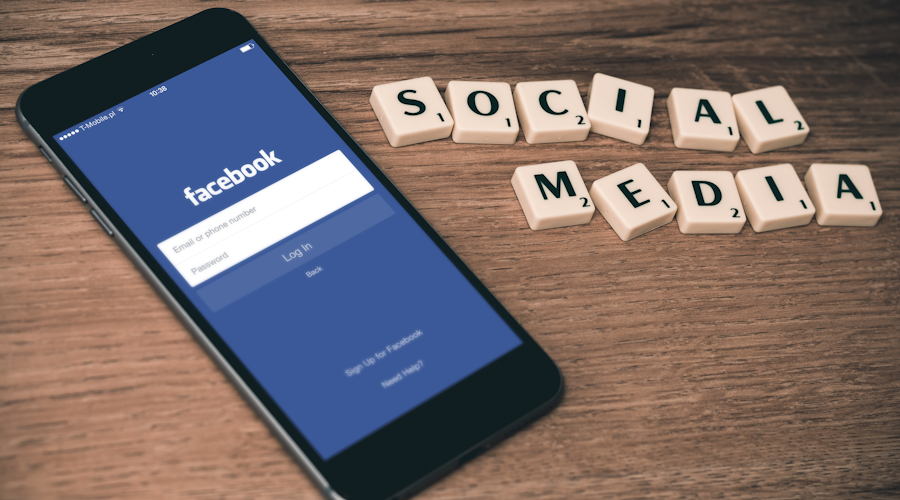
A pixel (a snippet of code) gets installed on your site. When someone visits, the pixel logs that visit and adds the person to a remarketing audience. From there, that person starts seeing your ads on Google, YouTube, Facebook, and Instagram.
You can segment remarketing by behavior: someone who visited the pricing page but didn't fill out the form gets a different message than someone who only visited the homepage.
Google remarketing vs Meta remarketing
IKOEH includes remarketing in the paid ads strategy for every client with a website. It's one of the highest-return investments inside a complete campaign. Get in touch.
Frequently asked questions
Does remarketing work for small businesses with low site traffic?
It works, but with less volume. For remarketing to have enough scale, the site needs at least 100 to 200 monthly visits. If traffic is lower than that, it's better to first invest in cold-traffic campaigns to build up the remarketing audience.
How long will my ads follow a visitor around?
You set the remarketing window, usually between 7 and 30 days. Windows that are too long can annoy the audience. The ideal length depends on the decision cycle: 7 days is enough for fast-decision services, 30 days for pricier ones.
Does remarketing violate user privacy?
Platforms follow privacy regulations. The pixel doesn't collect personally identifiable data, it just logs that a device visited the site. Even so, it's good practice to disclose cookie use in your site's privacy policy.